logo
Aperçu ProduitsInjecteur de flux rotatif

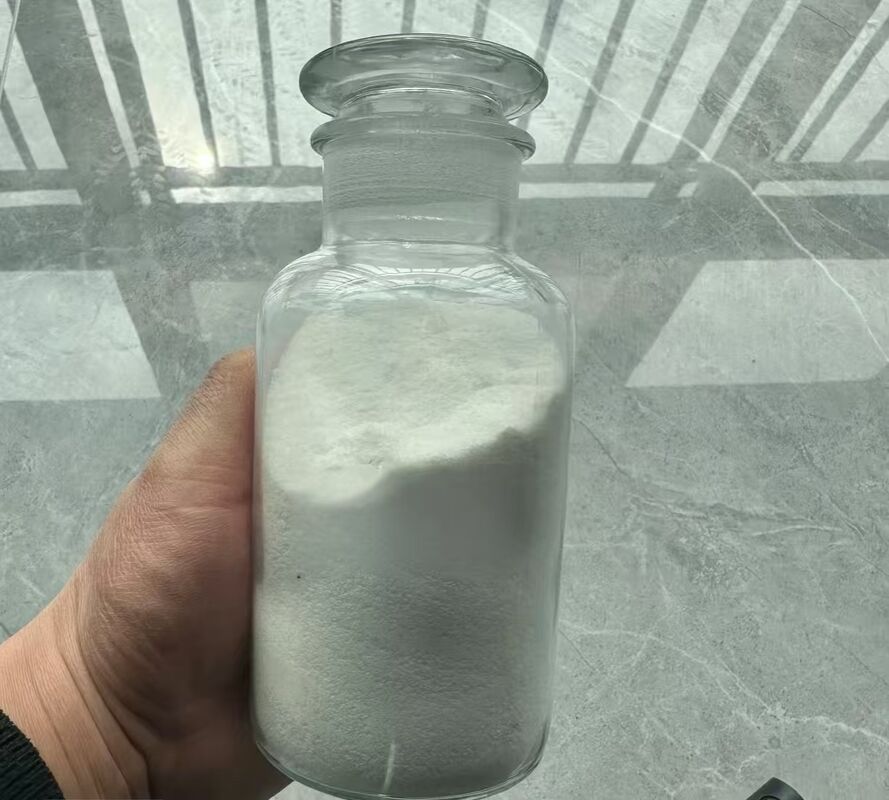
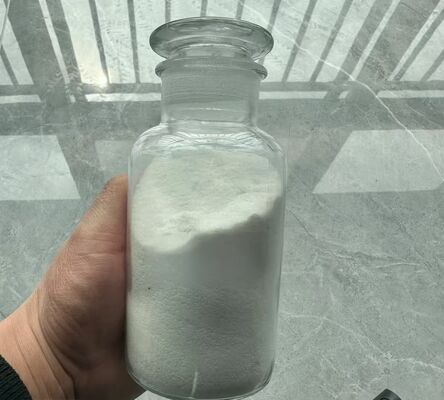
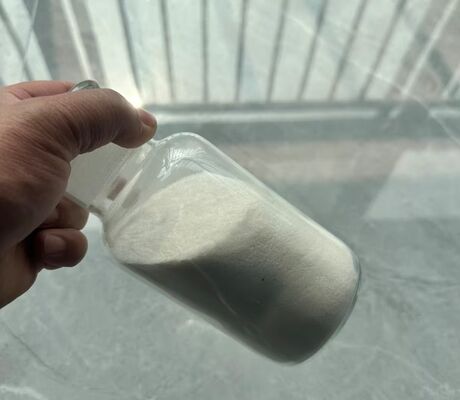
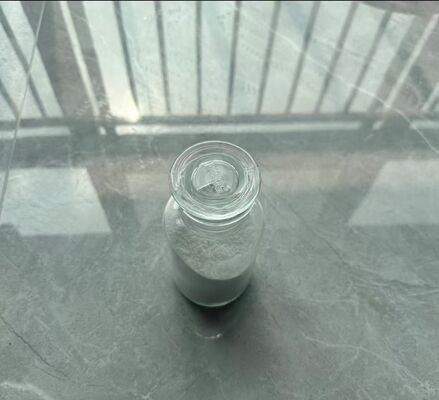
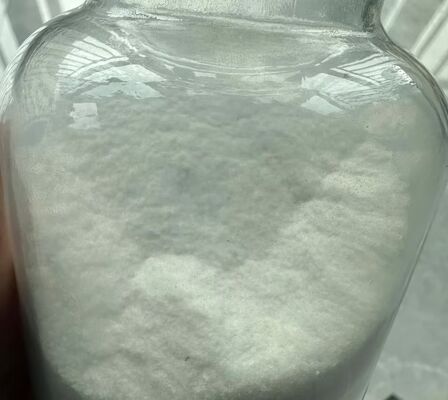
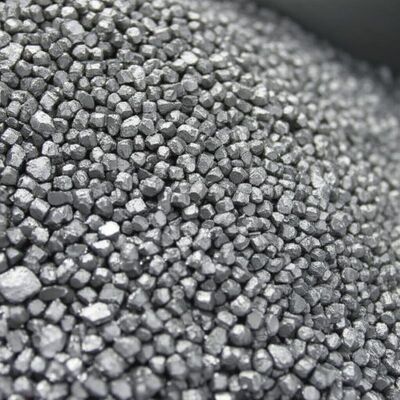
Aluminium Refining Flux for Degassing Cleaning and Covering Molten Aluminium

Certificat
Chine Jinan Hydeb Thermal Tech Co., Ltd. certifications
Je suis en ligne une discussion en ligne

Aluminium Refining Flux for Degassing Cleaning and Covering Molten Aluminium

Aluminium Refining Flux for Degassing Cleaning and Covering Molten Aluminium

description de
Mettre en évidence:

Degassing Aluminium Refining Flux

,

Cleaning Aluminium Refining Flux

,

Covering Aluminium Refining Flux

Aluminium Refining Flux
Aluminium Refining Flux for Degassing Cleaning and Covering Molten Aluminium 0
1. What is the Main Purpose of Aluminium Refine Flux?

The main goals are:

  • Remove Hydrogen Gas (Degassing): Molten aluminium readily absorbs hydrogen from moisture in the air or from damp tools. When the metal solidifies, this hydrogen bubbles out, creating porosity (tiny holes) that weaken the casting. The flux helps remove this hydrogen.
  • Remove Inclusions (Cleaning): This includes oxides (like Al₂O₃), carbides, and other impurities. These inclusions act as stress concentrators, making the metal brittle and reducing its mechanical properties.
  • Protect the Melt (Covering): Many fluxes form a liquid layer on top of the molten metal, acting as a physical barrier to prevent further oxidation and hydrogen pickup from the atmosphere.
  • Modify the Structure: Some specialized fluxes can alter the shape of intermetallic phases (like silicon in Al-Si alloys) to improve mechanical properties.
2. Common Components & How They Work

Refine fluxes are typically salt-based mixtures. Here are the key ingredients and their functions:

Component Primary Function How It Works
Chloride Salts (e.g., NaCl, KCl) Covering & Carrier These have low melting points and form a liquid layer on the melt surface, preventing oxidation. They also act as the base carrier for the active ingredients.
Fluoride Salts (e.g., NaF, Na₃AlF₆ [Cryolite], CaF₂ [Fluorspar]) Cleaning & Wetting This is the active cleaning agent. Fluorides break down the stable, solid oxide film (Al₂O₃) on the surface of the molten aluminium. They reduce the surface tension, allowing the molten salt to "wet" and penetrate the oxide layers, separating them from the clean metal so they can float to the surface as dross.
Hexachloroethane (C₂Cl₆) Degassing A solid degasser. When plunged into the melt, it sublimes and releases chlorine gas (Cl₂). The chlorine bubbles rise through the melt, and hydrogen diffuses into these bubbles (due to partial pressure difference) and is carried out of the melt.
Other Gas Producers (e.g., in tablet form) Degassing Modern degassing tablets often use a safer mixture of salts that release nitrogen (N₂) or argon (Ar) when heated. These inert gases provide a similar bubbling action to remove hydrogen without the toxic fumes of chlorine.
3. Types and Forms of Aluminium Refine Flux

Fluxes come in different forms for different application methods:

  • Powder Flux: The most common form. It can be:
    • Sprinkled on the surface for a covering and cleaning action.
    • Plunged (Rammed) into the melt using a bell-shaped tool to maximize contact for degassing and deep cleaning.
  • Tablet Flux: Pre-measured tablets are convenient and easy to use, especially for smaller furnaces or crucibles. They are primarily used for degassing.
  • Block Flux: Larger blocks used in large holding furnaces for a slow, continuous release of the fluxing action.
  • Granular Flux: Similar to powder but with a larger particle size to reduce dust.
4. How to Use It (Basic Procedure)

Safety First: Always wear appropriate Personal Protective Equipment (PPE) including a face shield, heat-resistant gloves, and a respirator. Fumes from fluxes can be toxic and irritating. Work in a well-ventilated area.

  1. Melt the Aluminium: Heat the aluminium until it is fully molten and has reached the desired pouring temperature (typically between 700°C - 750°C or 1290°F - 1380°F).
  2. Skim Off Dross: Remove the initial layer of oxidized scum (dross) from the surface.
  3. Apply the Flux:
    • For Powder (Plunging Method): Place the powder in a steel bell plunger. Submerge the bell deep into the molten metal and move it around in a figure-eight pattern for 2-5 minutes. This ensures the flux contacts all parts of the melt.
    • For Tablets: Simply drop one or more tablets into the center of the molten pool.
  4. Allow Separation: After fluxing, let the melt sit undisturbed for a minute or two. The cleaned impurities will rise to the surface and combine with the flux to form a new layer of dross.
  5. Skim Thoroughly: Carefully remove all the dross and spent flux from the surface. It is critical to remove all flux residue, as any left in the casting will cause severe corrosion and defects.
  6. Cast: Pour the now-refined aluminium into your mold.
5. Safety and Environmental Considerations
  • Toxic Fumes: Flux reactions can produce fumes of chlorine, hydrogen chloride, and fluoride compounds. Adequate ventilation or a fume extraction system is mandatory.
  • Moisture: Fluxes must be stored in a dry, sealed container. Introducing damp flux to molten aluminium can cause a steam explosion, violently splashing hot metal.
  • Slag/ Dross Disposal: The leftover dross and spent flux are often classified as hazardous waste due to their reactive and sometimes toxic nature. They must be disposed of according to local regulations.
Summary

An aluminium refine flux is an essential tool for anyone serious about producing high-quality aluminium castings. By understanding its components—chlorides for covering, fluorides for cleaning, and gas producers for degassing—you can effectively remove harmful gases and inclusions, leading to denser, stronger, and more reliable metal components. Always prioritize safety when handling these materials.

Coordonnées
Jinan Hydeb Thermal Tech Co., Ltd.

Personne à contacter: Hanson

Téléphone: +8613869124558

Télécopieur: 86-531-88969137

Envoyez votre demande directement à nous (0 / 3000)